
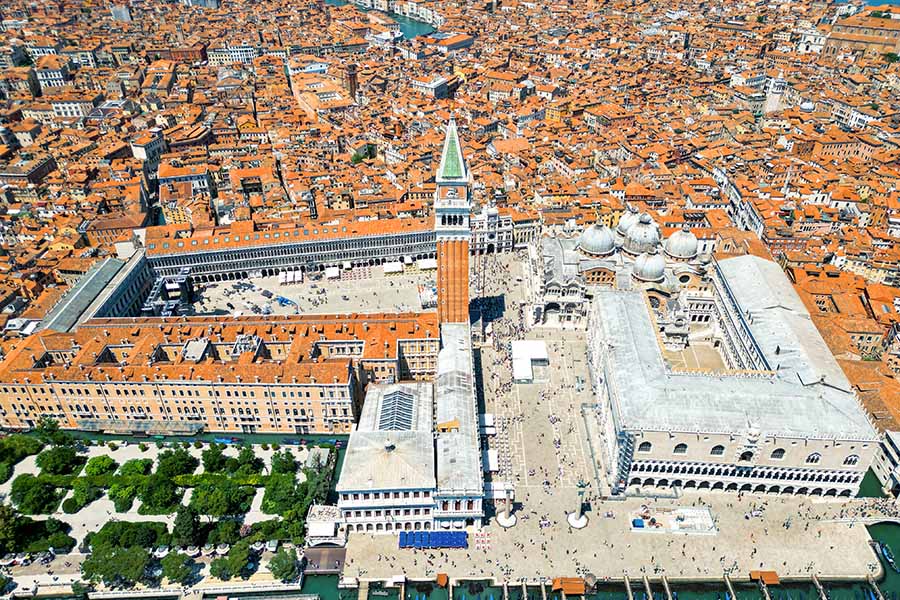
Venice, the “Serenissima,” is a city of unparalleled beauty, a labyrinth of canals, bridges, and narrow calli. To truly understand its soul, you must explore its structure, which is divided into six historical administrative districts known as “Sestieri”. These are more than just geographical divisions; they are distinct neighborhoods, each with its own unique history, atmosphere, and treasures waiting to be discovered.
What are the districts (Sestieri) of Venice?
The Sestieri are the traditional quarters that make up the historical centre of Venice. The term sestiere itself derives from the Latin word sex (six), denoting the six parts into which the city has been historically split since the Middle Ages, with this administrative structure formally established around the 12th century. This division is crucial for navigation and administration, as even the house numbers in Venice are sequential within each sestiere, often running into the thousands and making a Venice neighborhood map essential for newcomers!
How many are there and what are the districts of Venice?
There are exactly six neighborhoods, three lying on the east side of the Grand Canal and three on the west.
On the east side (towards the Rialto and Piazza San Marco):
- St. Marks: The heart of tourism, home to St. Mark’s Basilica, Doge’s Palace, and the main luxury shopping streets. The Sestiere di San Marco is the most central and perhaps the most famous, though also the most crowded.
- Castello: The largest sestiere, stretching east to the public gardens and the Arsenal. Sestiere Castello offers a mix of grand historic areas and quieter, more residential zones with a more authentic local feel.
- Cannaregio: The main entry point to Venice from the mainland and the railway station. It is known for its wide main street (Strada Nova) and is home to the historic jewish neighborhood in Venice (the Ghetto).
On the west side (towards the station and terraferma):
- Dorsoduro: Named perhaps for its “hard back” (dorsum durum) due to its more stable, less swampy ground. Sestiere Dorsoduro is the cultural and academic hub, hosting the Ca’ Foscari University and numerous art galleries, including the Peggy Guggenheim Collection. It’s a vibrant, artsy area.
- San Polo: The smallest sestiere, lying just west of the Rialto Bridge. Sestiere San Polo has a lively history tied to trade, evident in the bustle of the Rialto Market area, but quickly gives way to peaceful, picturesque squares like Campo San Polo.
- Santa Croce: Named after a church that was later demolished, this sestiere includes the main entry points for car and bus traffic (Piazzale Roma) and the port area. It often serves as a transit zone but holds charming residential pockets near the Grand Canal.
Exploring these six Sestieri offers a multifaceted view of the city, transitioning from the opulence of San Marco to the quiet residential streets of Castello and the bohemian atmosphere of Dorsoduro. Navigating from one to another involves crossing bridges and losing yourself in the timeless beauty of the Serenissima’s unique layout.